.png?%20Learn%20(3).png&?%20Learn%20(3).png&width=1600&height=900&name=Lunch%20%26%20Learn%20(3).png?%20Learn%20(3).png&?%20Learn%20(3).png)
Fathead minnows are a key species in Texas ponds, providing essential forage for larger gamefish and supporting healthy aquatic ecosystems. Understanding their reproduction is critical for pond owners and managers who want thriving fish populations. While fathead minnows are prolific breeders, their success relies on proper habitat, water quality, and ongoing management practices.
Spawning typically occurs from late spring through early fall. Fathead minnows are fractional spawners, meaning females release eggs multiple times throughout the season rather than all at once. Smaller, repeated batches increase survival rates. If one group of fry is eaten by predators, others still have the chance to hatch and grow.
Male fathead minnows play a central role in reproduction. They build and defend nesting sites in shallow areas, often under logs, rocks, brush piles, or artificial structures such as Ugly Trees, Hidey Hole trees, and submerged shrubs. Females lay adhesive eggs on the undersides of these structures, and males continue to guard them until they hatch, usually within five to seven days. This attentive care boosts fry survival and strengthens the pond’s forage base.
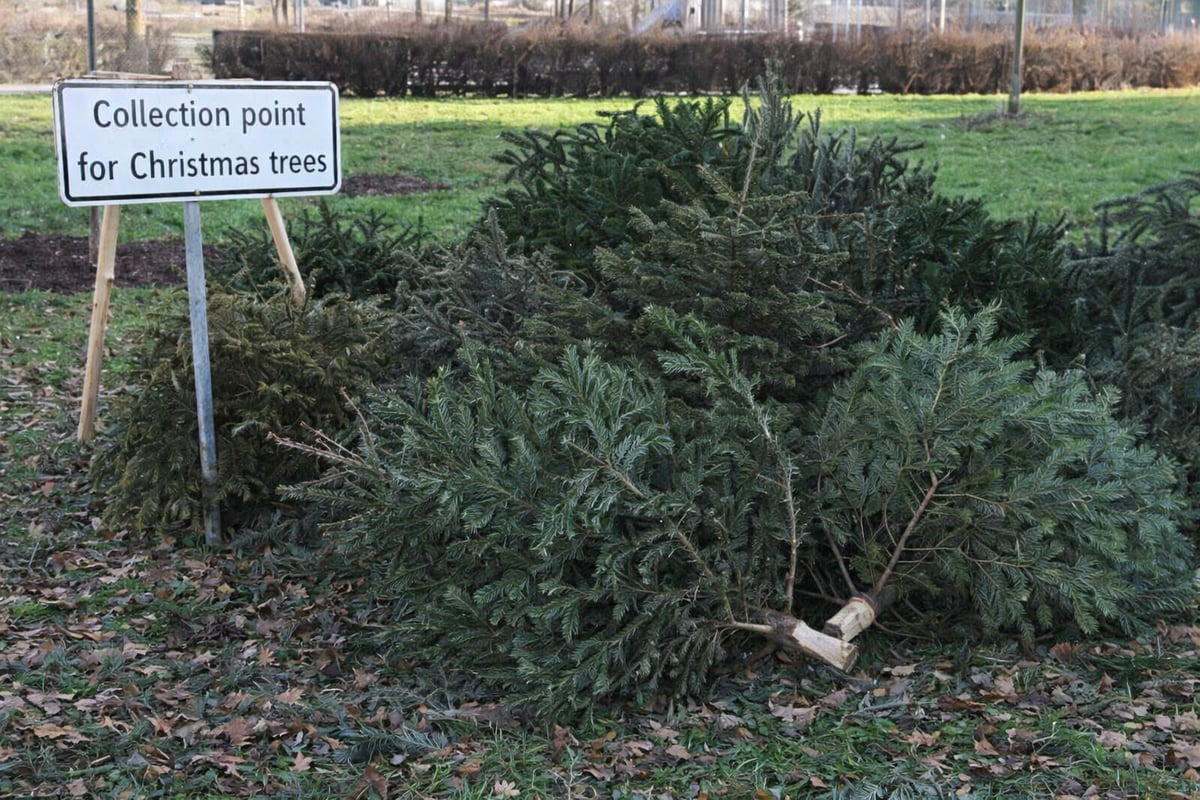
Adding structure is simple and can be done at any time, whether the pond is newly constructed or already at full pool. Shallow water habitat benefits fathead minnows and other forage fish while also providing shelter for juvenile gamefish. In Texas, repurposed Christmas trees are an inexpensive and effective way to create spawning surfaces and protective cover. Submerged trees mimic natural habitat, giving male minnows a place to attract females and protect eggs. Over time, they enhance habitat complexity, attract invertebrates, and support improved water quality.


.jpeg?width=1200&length=1200&name=Image%20(1).jpeg)
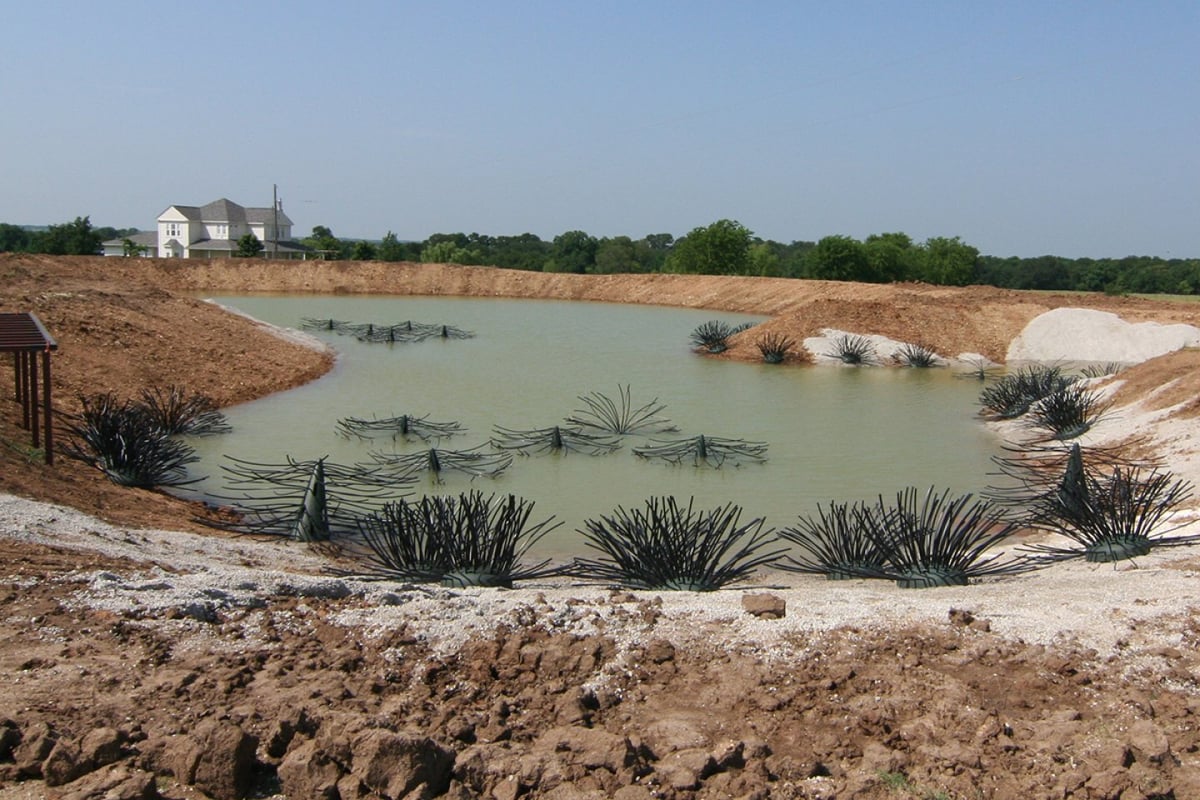
Placement is easy. In open water, weight trees with bricks, concrete blocks, or cinder chunks and gently lower them into shallow areas. If your pond is frozen or in colder regions of Texas during winter, you can still place trees on ice or directly in shallow water; they will naturally settle as conditions change. This hands-off method creates a long-lasting habitat that promotes reproduction and overall pond health.
Even with ideal habitat, supplemental forage fish stocking is important. Water quality, temperature, and spawning structure all influence reproductive success, but predators will consume many fry each season. Restocking forage species two to three times per year ensures a balanced food web and healthy predator growth.
By understanding fathead minnow reproduction and providing proper habitat, Texas pond owners can boost forage populations, support larger gamefish, and improve overall pond health. Sometimes, the simplest pond improvements, like repurposing a Christmas tree, can make the biggest difference.
About Clear Water — A Jones Lake Management Partner
Based in Houston, Texas, Clear Water delivers comprehensive lake and pond management solutions to restore, protect, and enhance waterbodies of all types. As a Jones Lake Management partner, our services include water quality restoration, aeration, shoreline management, hydraulic dredging, aquatic weed removal, and algae control. From residential ponds and HOA systems to golf course features and commercial lakes, our team creates customized strategies that improve water quality, support aquatic habitats, and extend the life of your pond or lake. With Clear Water, you gain a trusted partner committed to keeping waterbodies healthy, functional, and beautiful.